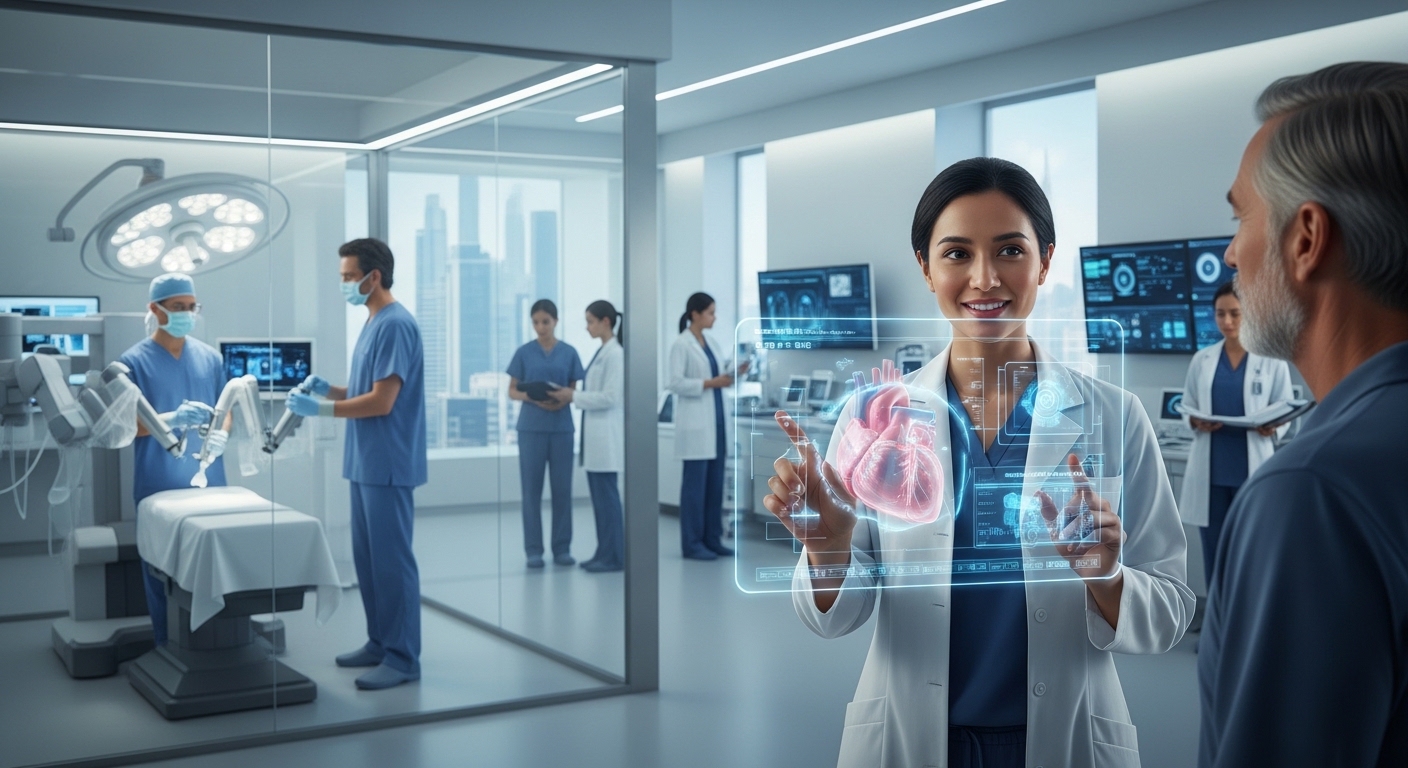
High-End Medical Treatment: Advanced Healthcare for Better Outcomes
In today’s world, medical treatment has evolved far beyond the traditional approaches of simply diagnosing and treating illnesses. The focus has shifted to providing high-end medical treatment, which combines cutting-edge technology, expert healthcare professionals, and personalized care to deliver the best possible outcomes for patients. High-end medical treatment ensures accuracy, efficiency, comfort, and overall excellence in healthcare services.
Patients seeking high-end medical treatment are often looking for more than just basic care—they want precision, safety, and superior quality throughout their medical journey. This approach is essential in modern healthcare, where medical advancements, complex procedures, and patient expectations are continually growing.
What Is High-End Medical Treatment?
High-end medical treatment refers to advanced healthcare services that employ the latest medical technology and innovative procedures. It prioritizes accuracy, efficiency, and personalized care, while minimizing risks and maximizing results. These services are typically available in premium hospitals or specialized centers equipped with state-of-the-art facilities.
High-end treatments are not limited to surgeries alone—they also include diagnostic imaging, minimally invasive procedures, robotic-assisted surgeries, and specialized therapies for chronic or complex conditions.
Key Features of High-End Medical Treatment
1. Advanced Diagnostic Tools
Accurate diagnosis is the foundation of any effective treatment. High-end medical treatment facilities utilize modern diagnostic tools to ensure that every condition is correctly identified.
Some common technologies include:
- MRI (Magnetic Resonance Imaging) for detailed internal imaging
- CT Scan for precise cross-sectional images
- Digital X-Ray for quick and accurate assessment
- 3D Ultrasound for advanced imaging, especially in complex cases
These technologies allow doctors to detect diseases at an early stage, which improves treatment success rates and reduces complications.
2. Robotic and Minimally Invasive Surgeries
Robotic-assisted surgery and minimally invasive techniques are central to high-end medical treatment. These procedures offer several advantages:
- Smaller incisions
- Reduced risk of infection
- Less pain and scarring
- Faster recovery times
Robotic systems provide surgeons with enhanced precision, flexibility, and control, which is particularly important in delicate or complex surgeries.
3. Highly Specialized Doctors
High-end medical treatment requires expertise and experience. Hospitals providing such care employ doctors who are highly trained in specific specialties. These professionals often have international experience and are skilled in the latest procedures and techniques.
Specialists collaborate with a multidisciplinary team to ensure that every aspect of the patient’s condition is addressed comprehensively.
4. Personalized Treatment Plans
No two patients are the same. High-end medical treatment emphasizes personalized care, tailoring treatments to the patient’s unique needs. Doctors consider:
- Medical history
- Age and overall health
- Genetic factors
- Lifestyle and preferences
Customized treatment plans improve the chances of recovery, reduce complications, and optimize long-term health outcomes.
5. Advanced ICU and Critical Care
For patients requiring intensive monitoring, high-end medical facilities offer state-of-the-art intensive care units (ICUs). These units are equipped with the latest technology for continuous monitoring of vital signs, advanced life support systems, and immediate intervention capabilities.
Critical care teams are highly trained to manage complex and high-risk situations, ensuring that patients receive the best possible care when it is needed most.
6. Integrated Healthcare Services
High-end medical treatment is not limited to a single department or service. These facilities often provide integrated healthcare solutions, which include:
- Diagnostics
- Surgery
- Rehabilitation
- Nutrition and diet management
- Physiotherapy and post-operative care
This comprehensive approach ensures that patients receive a continuum of care from diagnosis to full recovery.
Benefits of High-End Medical Treatment
High-end medical treatment offers numerous benefits that make it a preferred choice for patients seeking top-quality healthcare:
- Accurate Diagnosis: Early and precise detection of medical conditions.
- Minimized Risk: Advanced techniques reduce complications and side effects.
- Faster Recovery: Less invasive procedures allow patients to resume normal life sooner.
- Personalized Care: Treatment plans tailored to each patient’s needs.
- Comprehensive Support: Integrated services ensure all aspects of care are addressed.
These benefits collectively lead to better patient satisfaction and higher success rates in treatment outcomes.
High-End Medical Treatment Around the World
High-end medical treatment is widely available in countries with advanced healthcare systems, including:
- USA: Known for leading-edge medical technology and research.
- Germany: Specializes in complex surgeries and rehabilitation programs.
- UAE: Luxury hospitals with VIP patient services and international-standard care.
- India: Rapidly growing medical tourism sector with advanced surgical facilities.
International patients increasingly travel to these countries to access high-end treatment for complex or rare conditions.
High-End Treatment in Pakistan
Pakistan is also seeing growth in high-end medical treatment facilities, particularly in major cities like Karachi, Lahore, and Islamabad. These hospitals are introducing advanced technology, robotic surgeries, and specialized care programs to provide international-standard treatment within the country.
Local patients benefit from modern procedures without the need to travel abroad, while the country also attracts medical tourists seeking affordable yet advanced healthcare.
Challenges of High-End Medical Treatment
While the benefits are clear, high-end medical treatment also faces several challenges:
High Costs
Advanced procedures and technologies come with higher expenses, making them less accessible to the average patient.
Infrastructure Requirements
Maintaining cutting-edge equipment and highly skilled staff requires significant investment.
Availability
These treatments are usually concentrated in major urban hospitals, limiting access for patients in rural areas.
Despite these challenges, the demand for high-end medical treatment continues to grow due to its effectiveness and patient satisfaction.
The Future of High-End Medical Treatment
The future of high-end medical treatment looks promising. Ongoing developments are likely to include:
- Artificial Intelligence (AI) Diagnostics: Faster, more precise detection of diseases.
- Telemedicine Integration: Remote monitoring and virtual consultations for personalized care.
- Robotic Surgery Innovations: Increased precision with fewer complications.
- Personalized Genomic Medicine: Treatments tailored to genetic profiles for optimal outcomes.
These innovations will make high-end treatment even more effective, safer, and accessible to a wider population.
Conclusion
High-end medical treatment represents the pinnacle of modern healthcare, combining advanced technology, expert medical professionals, and patient-centered care. By focusing on accuracy, efficiency, and comfort, these services provide superior health outcomes and a better overall experience for patients.